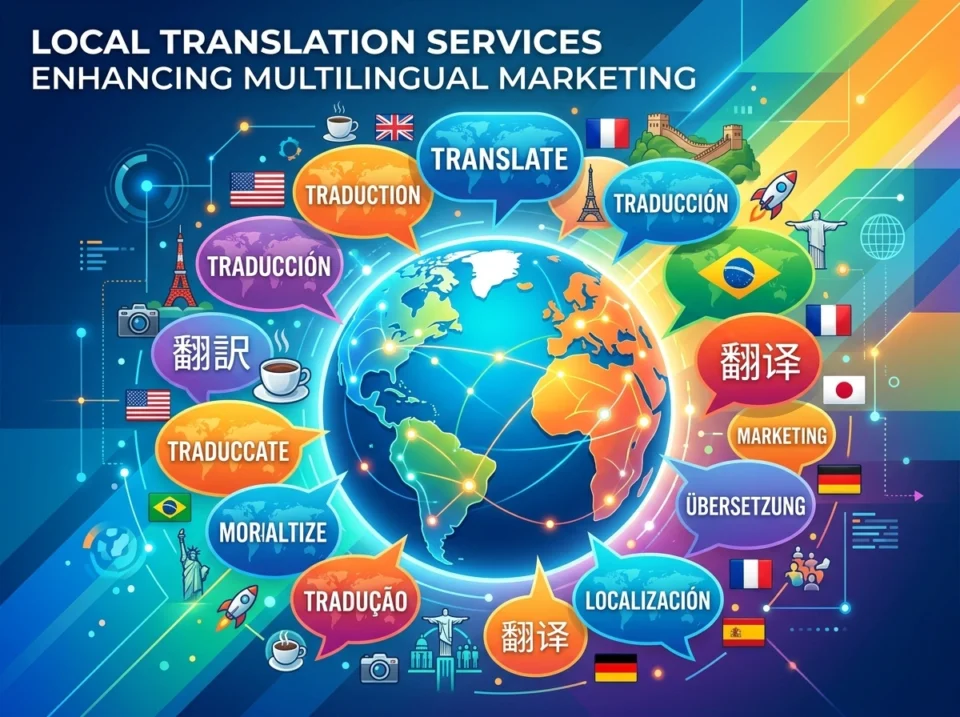
Expanding a business across borders requires more than just translating a website word-for-word. Global audiences want content that resonates with their specific cultural values, idioms, and daily experiences. When companies try to reach international markets using generic machine translation, they often miss the mark. A message that performs exceptionally well in English might fall flat, or even cause offense, when poorly adapted into Spanish, Japanese, or Arabic.
Brands are discovering that achieving true global reach requires a localized approach. Speaking your customer’s language builds trust and removes barriers to purchase. Consumers consistently prefer buying products from websites that feature information in their native tongue. To capture this vast potential audience, organizations need high-quality language solutions that go beyond literal word substitution.
This guide explores the distinct advantages of partnering with local professionals for your global campaigns. You will learn how proximity improves project management, why cultural nuances matter, and what to look for when selecting a language partner. By understanding these core concepts, you can implement a multilingual marketing strategy that drives genuine engagement and measurable revenue.
The Importance of Local Expertise in Translation
Effective marketing relies on emotional connection and cultural relevance. Translators who live and work in your target region—or who have deep, localized expertise—understand the current linguistic trends of that area. Language constantly evolves. Slang, humor, and cultural references shift rapidly, and only professionals immersed in the culture can accurately capture these subtleties.
Grasping Regional Dialects
A common mistake businesses make is assuming a single language translation covers all regions. Spanish spoken in Mexico differs significantly from Spanish spoken in Spain or Argentina. Vocabulary choices that sound professional in one country might seem overly formal or entirely nonsensical in another. Local experts know exactly which regional dialect to apply, ensuring your marketing materials sound natural to the specific demographic you want to reach.
Navigating Cultural Sensitivities
Marketing campaigns often rely on visual cues, color psychology, and persuasive copy. A local professional does more than translate text; they localize the entire concept. They can advise you if a certain color palette carries negative connotations in a specific culture. They can also flag idiomatic expressions that do not translate well, suggesting culturally appropriate alternatives that maintain your original brand voice.
Benefits of Using Local Translation Services
Working with a nearby agency or a locally focused translation team provides tangible benefits for your marketing department. When you need urgent updates for a product launch, having a partner in your time zone dramatically speeds up the process.
Faster Turnaround Times
Marketing moves quickly. Flash sales, social media trends, and reactive public relations require immediate action. Partnering with professionals who operate in your time zone eliminates the frustrating delays associated with overseas communication. You can send a brief in the morning and receive the translated copy by the afternoon, keeping your campaigns agile and responsive.
Access to Specialized Talent
Finding reliable, certified professionals becomes much easier when you look for translation services near me. Local agencies often have established networks of native-speaking linguists who specialize in specific industries, such as legal, medical, or technical marketing. This means your highly specialized product descriptions will be translated by someone who actually understands the industry terminology.
Quality Assurance and Accountability
A local agency is highly motivated to maintain a strong regional reputation. They often implement rigorous quality control processes, including secondary proofreading and cultural assessments. If an issue arises with a translated document, you can easily reach your project manager during standard business hours to resolve it immediately.
How Proximity Enhances Communication and Collaboration
Clear communication forms the foundation of any successful marketing initiative. When you collaborate with a nearby language partner, the logistical barriers of project management disappear. This proximity fosters a deeper, more integrated working relationship between your marketing team and the linguists.
Seamless Strategy Alignment
Multilingual marketing requires thorough planning. Your translation partner needs to understand your brand guidelines, target audience personas, and overarching campaign goals. Working with a local agency allows for real-time collaboration. You can schedule face-to-face meetings or quick video calls without worrying about drastic time zone differences. This immediate access ensures the translators fully grasp the strategic intent behind every headline and call to action.
Streamlined Feedback Loops
The translation process rarely finishes after the first draft. Marketing copy often requires tweaking to perfectly match design layouts or character limits for digital ads. Proximity allows for rapid iterations. Your design team can request shorter text for a specific banner ad, and the local translator can provide an adjusted version within hours. This dynamic workflow prevents frustrating bottlenecks that stall campaign launches.
Cultural Nuance and Brand Consistency
Maintaining a consistent brand identity across multiple languages poses a significant challenge. You want your brand to sound reliable, exciting, or authoritative, regardless of the language a customer speaks. Local translation experts serve as brand guardians in their respective languages.
Adapting Tone and Voice
A playful, irreverent tone works well for a modern lifestyle brand in the United States. However, that same tone might appear unprofessional to a corporate audience in Germany or Japan. Local translators know how to adapt your brand voice so it remains true to your core identity while respecting regional expectations of professionalism and courtesy.
Transcreation Over Translation
Marketing content often requires transcreation, which is the process of adapting a message from one language to another while maintaining its intent, style, and tone. Puns, wordplay, and cultural references cannot be translated directly. A skilled local linguist will rewrite the concept entirely, producing a new slogan that evokes the exact same emotional response in the target audience as the original did in English.
Case Studies of Successful Multilingual Campaigns
Looking at how major brands handle language barriers provides valuable insight into the power of localization. The most successful international campaigns prioritize cultural adaptation over rigid, direct translation.
Tailoring Menus to Local Tastes
Global fast-food chains excel at multilingual marketing. When expanding into Asian markets, leading burger franchises do not simply translate their English menus. They adapt the product names and marketing copy to reflect local culinary preferences. By using local linguists to name new, region-specific products, these companies create a sense of familiarity and trust, leading to massive international growth.
Adapting Slogans for Global Reach
A famous beverage company once launched a campaign with a slogan about bringing people back to life. When translated literally into certain Asian languages, the phrase mistakenly promised to bring ancestors back from the dead. By working with local experts, the company quickly corrected the error, opting for transcreation to convey a message of refreshment and vitality. This highlights why human oversight and cultural awareness remain absolute necessities.
Choosing the Right Local Translation Partner
Selecting the best agency requires careful consideration of your specific marketing needs. You need a partner equipped to handle your volume, technical requirements, and target languages.
Verify Industry Credentials
Always look for agencies with recognized industry certifications. Memberships in organizations like the American Translators Association (ATA) indicate a commitment to professional standards. If your marketing materials include legal disclaimers, terms of service, or compliance documents, ensure the agency has experience producing certified translations that meet regulatory requirements.
Evaluate Their Technological Capabilities
Modern translation agencies utilize advanced software to ensure consistency. Ask potential partners about their use of translation memory tools and glossaries. These technologies store previously translated terms, ensuring your specific brand vocabulary is used consistently across all your marketing channels. This not only improves quality but also reduces costs over time.
Request Sample Work
Before signing a long-term contract, ask the agency to complete a small, paid test project. Provide them with a sample of your typical marketing copy—such as an email newsletter or a social media ad—and evaluate the results. Have a native speaker review the test translation to confirm it reads naturally and captures your desired tone.
Take the Next Step in Your Global Strategy
Entering new markets presents a massive opportunity for growth. By prioritizing culturally accurate, localized content, you position your brand to build meaningful relationships with international customers. Relying on professional linguistic support ensures your marketing campaigns maintain their impact and persuasiveness, regardless of the language barrier.
Start by auditing your current marketing materials to identify which campaigns would benefit most from localization. Then, reach out to a trusted, certified translation provider to discuss your global objectives. With the right team handling your multilingual content, you can confidently expand your reach, foster brand loyalty, and drive conversions in any market.
